
What Should I Expect After Finishing Physical Therapy?
Imagine this: you have spent months working hard in physical therapy after a stroke, a spinal cord injury, or a traumatic brain injury. You have shown up consistently, pushed through the difficult sessions, and started to see real progress. Then, without warning, you receive a discharge notice. Your insurance has stopped approving visits. Your therapist tells you that you have "plateaued." And just like that, the structured support you relied on is gone.
For many patients in the Charlotte area, this moment does not feel like a finish line. It feels like an interruption.
If this experience sounds familiar, you are not alone. It is one of the most common frustrations we hear at Revive Neurorecovery Center. And the truth is, a discharge from traditional PT does not have to mean the end of your recovery.
The Traditional PT Discharge: A Common Frustration for Neurological Patients
Traditional physical therapy is often shaped more by insurance policy than by your actual recovery potential. Session limits, duration caps, and standardized treatment protocols can end your care well before your goals are met.
For patients managing neurological conditions, this creates a particularly difficult situation. Recovery from a stroke, spinal cord injury, traumatic brain injury (TBI), Parkinson's disease, or Guillain-Barré syndrome rarely follows a tidy, insurance-approved timeline.
Some of the most common experiences patients describe include:
Sessions being cut off regardless of the progress still being made
The word "plateau" being used to discontinue care rather than prompt a change in approach
Discharge happening at a critical point in recovery, leaving patients without structured guidance
Uncertainty about how to maintain hard-earned gains in strength, mobility, and balance
You deserve care that is guided by your progress, not a payer's calendar.
Why Neuroplasticity-Based Recovery Does Not Have a Fixed Endpoint
One of the most important things to understand aboutneurological recovery is that your brain and nervous system retain the ability to form new neural connections long after an injury or diagnosis. This process, known as neuroplasticity, means recovery is not a fixed event with a hard stop. It is an ongoing capacity.
Insurance timelines rarely reflect this reality.
Your Nervous System's Capacity for Change
Meaningful functional gains after stroke, spinal cord injury, or brain injury typically require consistent, high-intensity, and highly specific input over time. There is no universal point at which your body stops being capable of adaptation. What changes is the intensity and specificity of the therapy needed to keep driving that adaptation forward.
This is why neuroplasticity-based rehabilitation looks different from standard outpatient PT. It is built around repetition, task-specific movement, and progressive challenge, delivered with enough frequency and precision to create lasting change in the nervous system.
What Happens After Traditional PT Ends
Once standard physical therapy ends, many patients face a real gap in care. Without structured guidance, it becomes difficult to maintain the gains made during formal treatment.
Strength and mobility gains can stall or regress without continued, targeted intervention
Patients often feel isolated and unsure how to keep progressing independently
Conditions like Guillain-Barré syndrome or lower-body amputation recovery may require support well beyond a standard treatment window
Families are left searching for answers about what comes next
This gap is exactly why so many patients in Charlotte and the surrounding area begin looking for a different model of neurological care.
A Different Approach to Long-Term Neuro Recovery
At Revive Neurorecovery Center, the model was built specifically for people who have been limited by insurance-based rehabilitation. Recovery here is not measured against an insurance timeline. It is measured against your goals.
One-on-One Care at Every Session
Every session at Revive Neurorecovery Center is delivered one-on-one by a Doctor of Physical Therapy or Occupational Therapist. No aides. No assistants. Because the clinic operates outside of insurance-based billing, there are no externally imposed limits on session frequency, duration, or treatment approach.
This structure allows for truly individualized, high-intensity therapy built around your specific neurological condition and where you are in your recovery.
Activity-Based Therapy and Advanced Treatment Tools
Activity-based therapy is a cornerstone of the approach at Revive Neurorecovery Center. Rather than working from a seated or passive position, activity-based therapy is performed in weight-bearing positions that more closely replicate real-world movement. This approach is designed to maximizeneuroplasticity with every session.
Treatment tools and modalities used at Revive include:
Neuromuscular re-education to retrain movement patterns affected by neurological injury
Therapeutic exercise tailored to each patient's functional goals
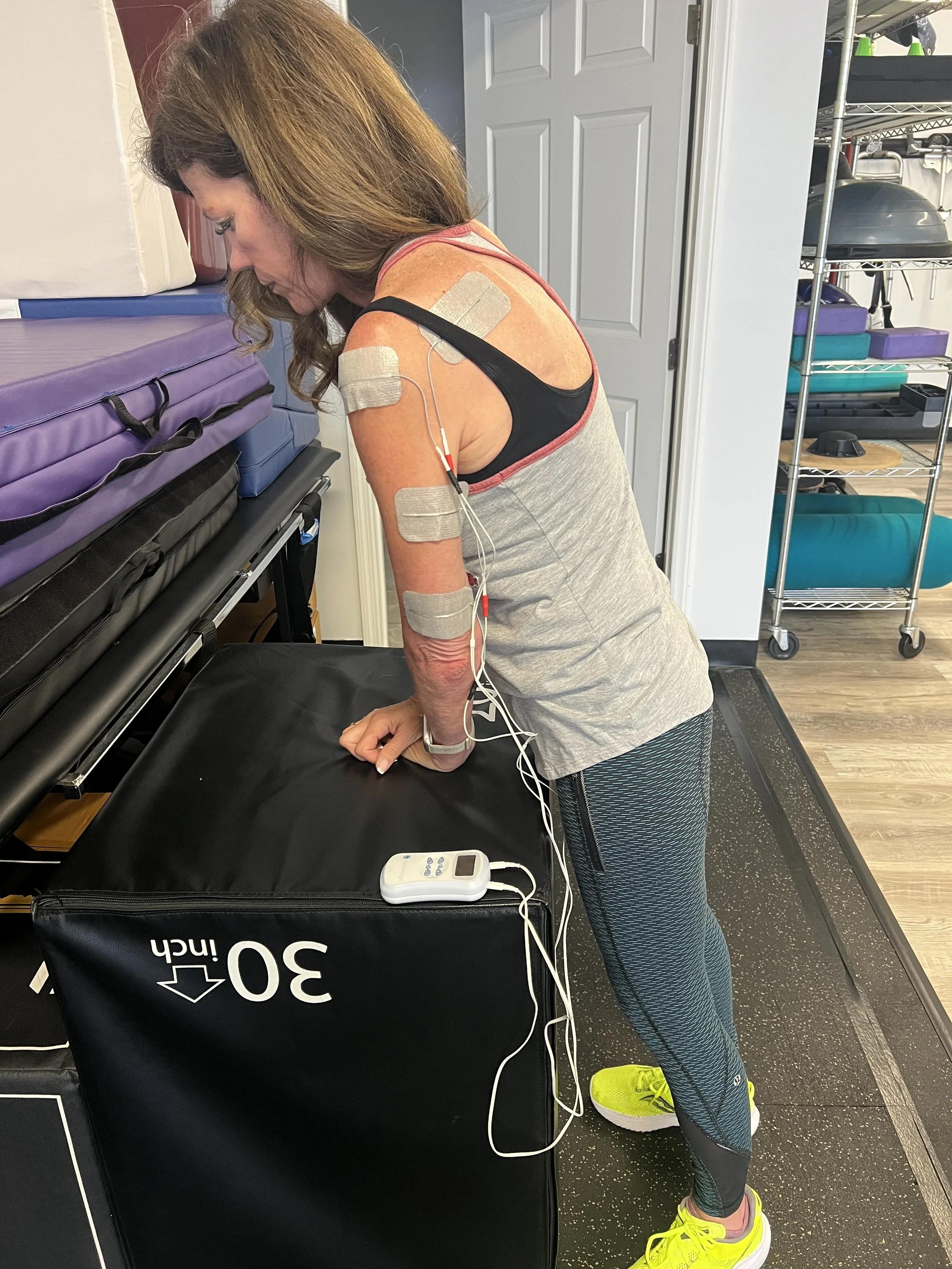
Electrical stimulation (TENS/NMES) to support muscle activation and motor recovery
Dry needling and manual therapy to address pain, tone, and tissue mobility
Assisted stretching to maintain and improve range of motion
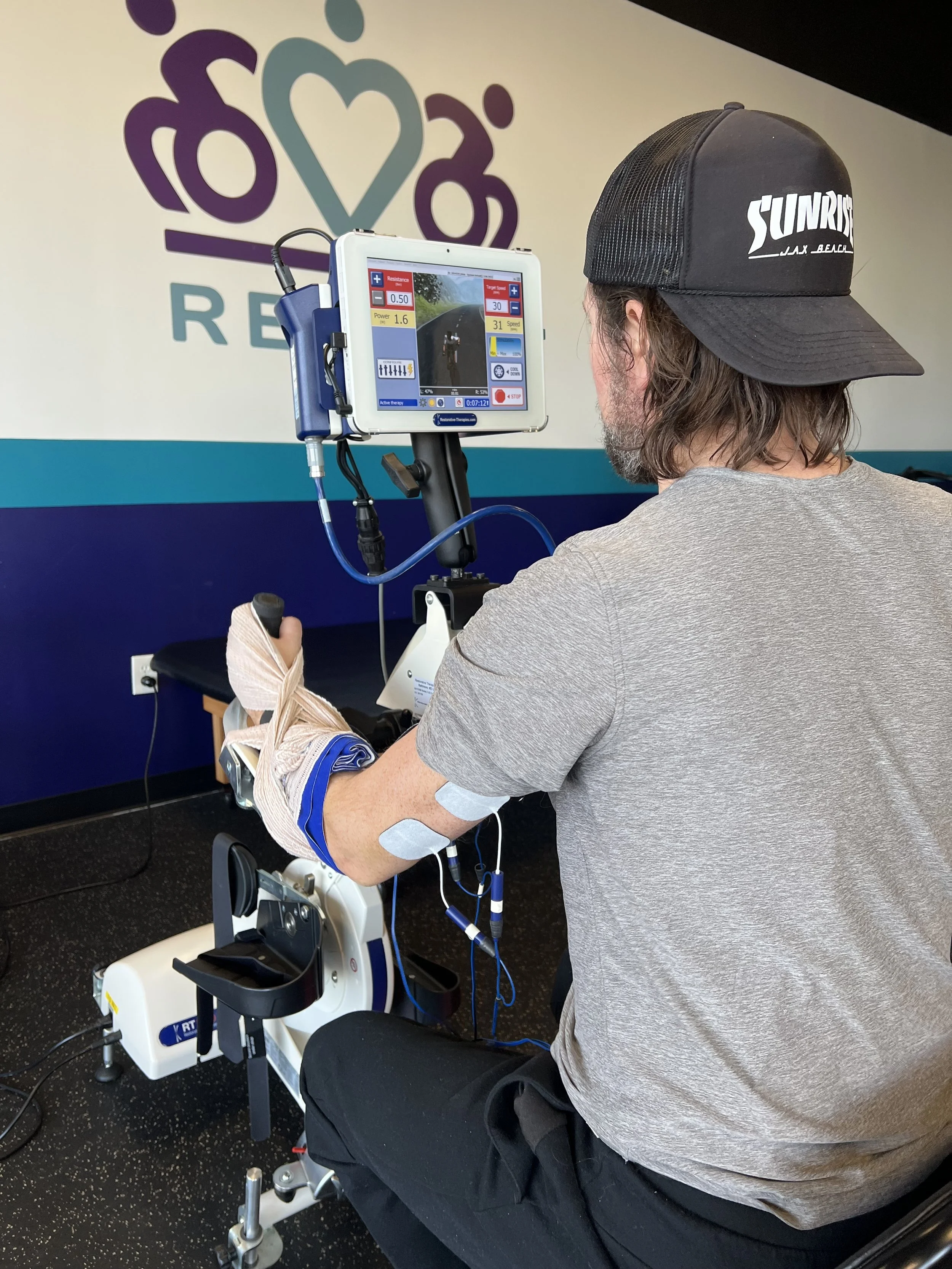
Advanced technology including the Lokomat, ReWalk, and functional electrical stimulation
ARC-EX noninvasive spinal cord stimulation, available for appropriate candidates
The clinical team brings over 45 combined years of experience treating complex neurological conditions, meaning your plan is built on real, specialized expertise.
Support That Continues Beyond Formal Therapy
Recovery does not stop at the clinic door. Revive Neurorecovery Center offers a free adaptive fitness class, Fit with Friends CLT, which gives patients a welcoming community to stay active and connected long after formal therapy sessions end.
This lifelong approach to care means patients are supported at every stage, from early rehabilitation through:
Return to sport and recreational activity
Improved balance and fall prevention
Long-term strength building and mobility
Ongoing community and social connection
How Long Does Neurological Recovery Actually Take?
This is one of the most common questions patients and families ask, and the honest answer is that it depends on the condition, the severity of injury, the consistency of therapy, and the individual's response to treatment.
What research on neuroplasticity consistently shows is that the nervous system continues to respond to the right input over time. Recovery is not a straight line, and progress can continue well beyond the windows that traditional insurance-based PT allows.
The most important factor is not a timeline. It is having access to the right intensity, the right approach, and a team that is committed to your specific goals.
Moving Forward After a PT Discharge
A discharge from traditional physical therapy does not have to be the end of your progress. For patients recovering from stroke, TBI, spinal cord injury, Parkinson's disease, or other neurological conditions, meaningful recovery can continue as long as the right support is in place.
Revive Neurorecovery Center was founded by a former lead outpatient spinal cord therapist at Atrium Health with a clear purpose: to remove the insurance barriers standing between patients and quality neurological physical therapy in Charlotte, NC.
If you are ready to explore what comes after traditional PT, we invite you to schedule a free discovery call with the Revive team. Together, we will help identify the right program for where you are now and where you want to go.
